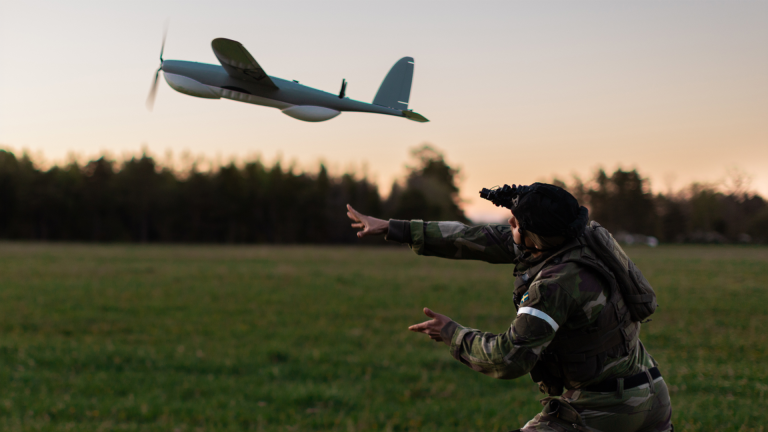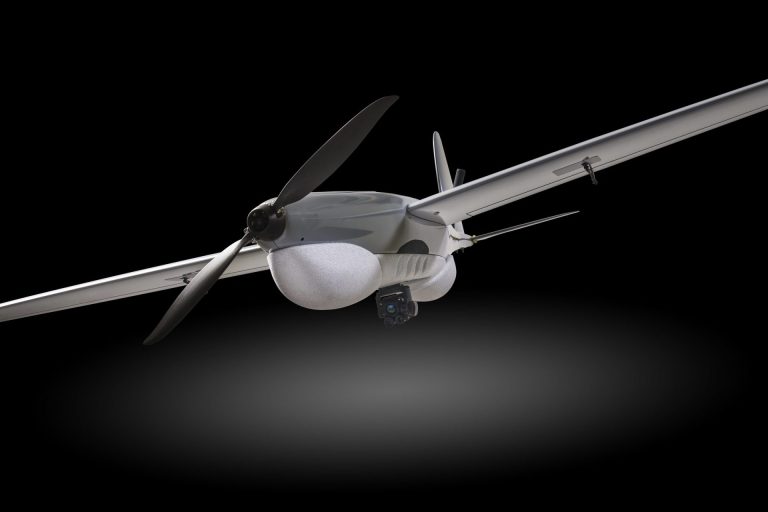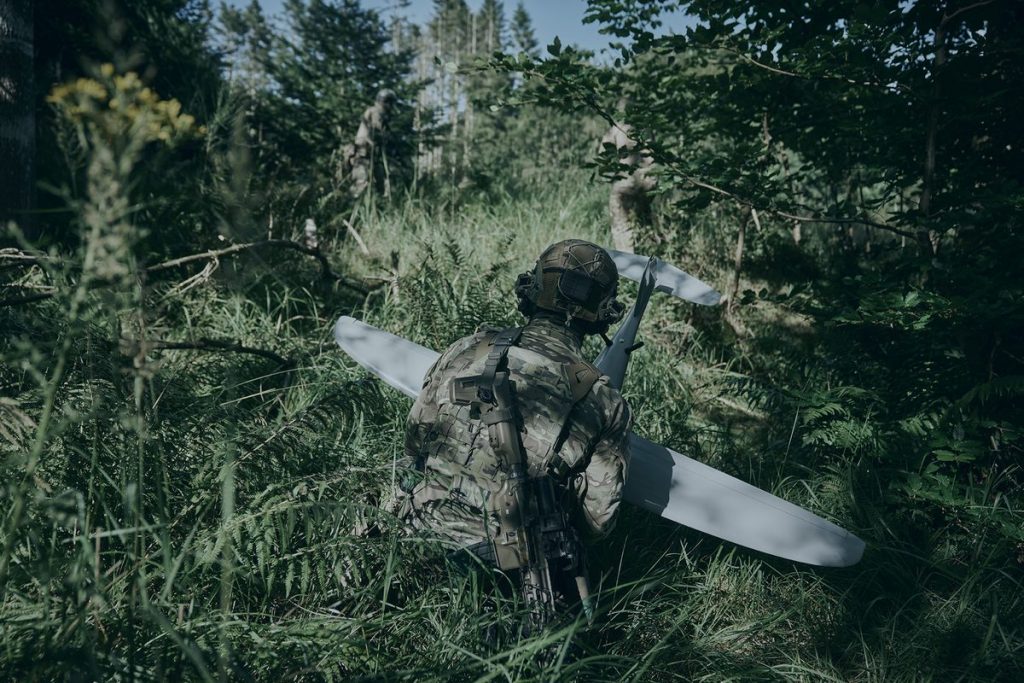
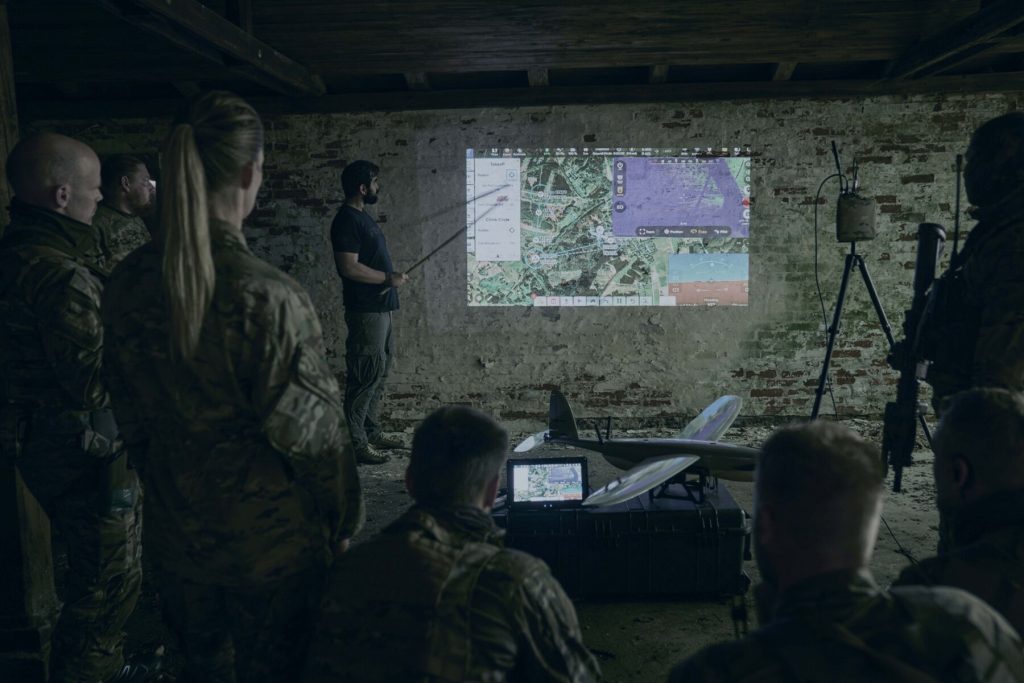

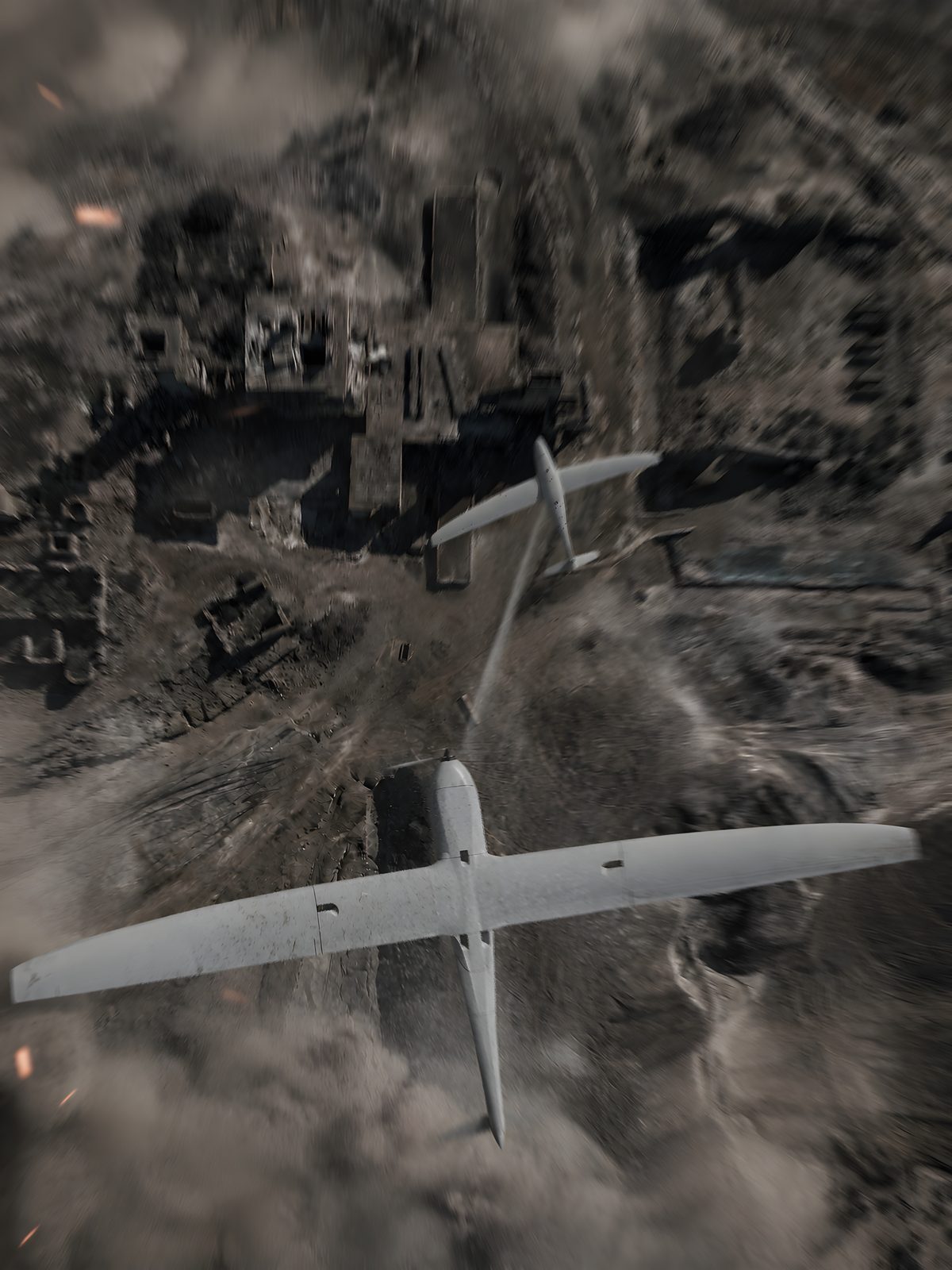
Unmanned Aerial Vehicles (UAVs) continue to transform modern warfare, offering unprecedented operational capabilities and enhanced situational awareness on the battlefield. Ukraine has demonstrated by far the most intensive use of UAVs in a military conflict in history, having more than 200,000 drone operations per month by early 2025.
This frontline experience has become the proving ground for UAV effectiveness, significantly influencing procurement strategies globally, particularly within the EU and NATO military procurement circles.
Emerging UAV technology trends
Autonomy at the tactical edge
Advancements in AI and autonomous technologies have enabled direct capabilities to be deployed to frontline units, allowing for company-level deployments. Low-weight, compact UAVs now offer immediate tactical insights without complex logistics or specialized operators. This autonomy significantly enhances rapid decision-making cycles, which are critical in dynamic frontline environments.
Enhanced payload capabilities
ISR (Intelligence, Surveillance, and Reconnaissance) payloads continue to evolve, becoming lighter yet more sophisticated. UAVs now regularly feature payloads with advanced AI-driven image analysis, electronic warfare resilience, and GNSS-denied navigation capabilities. Sky-Watch, for instance, excels with lightweight ISR drones that effectively navigate electronically contested environments.
Operational dynamics and the frontline impact
Organic ISR and decision-making
Today’s UAV operations, exemplified by the high-tempo engagements in Ukraine, demand rapid decision-making loops (Observe-Decide-Act). Effective UAVs must integrate seamlessly into these accelerated cycles, providing frontline commanders with timely, actionable intelligence.
Operational challenges
The high density of drone operations necessitates robust resistance to electronic warfare (EW) and reliable performance in GNSS-denied conditions. Systems that excel under such stress, demonstrating resilience and maintaining operational integrity, offer significant value in procurement.
Procurement considerations
Doctrinal alignment
Procurement decisions must rigorously evaluate the compatibility of UAVs with existing military doctrines. Misalignment often results in underutilized technology or operational failures. Solutions must provide straightforward integration, operational ease, and flexibility to match dynamic frontline doctrines.
Lifecycle cost and sustainability
Long-term sustainability and cost efficiency have become procurement priorities. Metrics such as attrition rate become critical; notably, Sky-Watch maintains attrition rates below 0.2% in frontline deployments, offering exceptional lifecycle value. Additionally, fast innovation cycles and high-volume production capabilities greatly enhance logistical sustainability.
Dynamics in the UAV market
Procurement teams face diverse capabilities when evaluating UAV solutions, making it essential to clearly understand the differentiating factors. Key procurement considerations include:
- Scale of operational tempo: Ukraine has demonstrated the most intensive use of UAVs in a military conflict, producing around 200,000 FPV drones per month by early 2025, with some forecasts predicting up to 500,000 small drones monthly by year-end. This immense operational tempo demands UAVs that can sustain massive deployment cycles without frequent resupply or logistic bottlenecks.
- Frontline performance and attrition rate: UAVs with extremely low attrition rates significantly reduce lifecycle cost and ensure consistent availability. Sky-Watch‘s platforms have sustained attrition rates under 0.2% in active frontline conditions, a key indicator of operational reliability.
- Proof of combat validation: In 2024, the German Government donated 684 RQ-35 Heidrun drones to Ukraine (see reference in annex 1), underscoring official trust in their frontline performance and reliability under heavy electronic warfare and GNSS-denied conditions.
- Ease of integration and operational simplicity: Solutions engineered for rapid field deployment, with minimal training, standardized launch mechanisms, and plug-and-play software, enable swift adoption at unit levels. Sky-Watch‘s user-friendly systems are specifically designed for this purpose.
- Adaptability and innovation speed: Suppliers that iterate rapidly, introducing upgrades based on frontline feedback and scaling production quickly, deliver UAVs that evolve in response to battlefield demands. Sky-Watch‘s engineering cycles reflect such agility. This highlights the importance of shifting procurement strategies toward fast-trial procurements, tested against operational scenarios, rather than traditional, lengthy specification-based models.
- Logistical capacity for high-volume demand: Manufacturers must be able to support large-scale, sustained deployments. Sky-Watch has proven it can deliver battlefield-ready systems at high volumes to NATO allies.
Lessons from Ukraine
Ukraine has become the definitive case study for frontline UAV procurement strategies. Sky-Watch‘s standout success, providing low-attrition, highly resilient, easy-to-operate ISR drones at high volumes, highlights the operational benefits achievable through careful technology alignment and vendor agility.
Procurement considerations
- Prioritize autonomy and integration: UAVs must easily integrate into existing doctrines and provide autonomy at the tactical edge.
- Assess frontline validated performance: Validate technologies with proven frontline records, such as low attrition rates and resilience under EW and GNSS-denied conditions.
- Focus on agility and sustainability: Select suppliers that can deliver rapid innovation, scalable production, and logistical support to sustain prolonged frontline operations.
- Evaluate total lifecycle cost: Prioritize systems demonstrating low attrition, ease of maintenance, and strong supplier support.
- Use trial procurement: Validate performance and doctrines with fast-trial procurements, tested against operational scenarios. The focus on trial procurement is summarized in the table.
| Traditional spec-based procurement | Fast trial procurement (Ukraine-inspired) | |
|---|---|---|
| Decision timeline | 18+ months | 4–6 weeks |
| Evaluation criteria | Static specs & compliance | Operational fit & feedback |
| Risk profile | Rigid and delayed adjustments | Iterative, rapid adaptation |
| Pros / cons | Ensures procedural compliance, supports large-scale tenders, easier to justify. | Harder to justify via traditional frameworks, may bypass full certification early on. |
| Best used when | Regulatory mandates dominate, stakes are high, vendor pool is mature. | Urgency is high, frontline needs dominate, and innovation is prioritized. |
Conclusion
Military procurement teams in 2025 face a landscape defined by intense operational demands, rapid technological advancements, and complex frontline dynamics.
Success hinges on selecting UAV solutions with proven frontline capabilities, doctrinal compatibility, and sustainable lifecycle management, ensuring strategic advantage in contemporary and future conflict scenarios.
Contact Thomas Jensen on tje@sky-watch.com or +45 20 91 51 00 to book a demonstration of what the RQ-35 Heidrun can do for your missions.
Annex 1: References
| Time period | Estimated drones/month | Reference/source used for the estimate |
|---|---|---|
| Mid 2022 | ~5,000 | Sky-Watch estimate |
| 2023 average | 66,700 | JUST IN: As Russia-Ukraine war continues, Russia’s drone technologies evolve; Second front: Who will win the first drone war?; 4.5 million drones is a lot of drones. It’s Ukraine’s goal for 2025 |
| Early 2025 | 200,000 | Drone superpower: Ukrainian wartime innovation offers lessons for NATO (Atlantic Council); Drones in Ukraine (2022–2025): A comprehensive report |
| Forecast end 2025 | 500,000 | Factory-to-frontline pipeline: How Ukraine’s 2025 drone surge is reshaping the battlefield; A first point view: Examining Ukraine’s drone industry (Georgetown Security Studies Review) |
Note on 2022 estimates: No third-party source provides a directly verifiable, exact figure for the number of UAVs deployed per month in Ukraine during 2022. The Royal United Services Institute (RUSI) was quoted in Forbes and IEEE Spectrum stating that Ukraine was losing approximately 10,000 drones per month to Russian jamming by 2023. Given the similar operational conditions and rising intensity from mid-2022, it is plausible that deployment levels approached 5,000 per month during that period. This figure should not be considered confirmed but rather a conservative midpoint based on confirmed 2023 loss rates and Ukrainian drone production ramp-up timelines.